

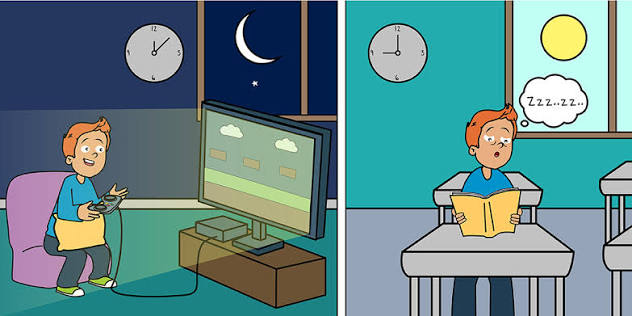
An evening browsing session can continue longer than intended when there is no definite end point. Another page loads, another offer appears, and a quick look becomes an open ended activity. A clear stopping routine helps you finish on your own terms rather than waiting for the website to provide a natural break.
Late night online gaming is best approached with a plan made before the session starts. Decide how much time and optional spending fit your evening, identify the controls you need, and know what finishing will involve. The clock should organize your schedule, not become a theory about when a game will produce a favorable result.
What Is a Stopping Routine?
A stopping routine is a short sequence of actions that closes an activity at a chosen boundary. It might include checking the account record, saving a necessary reference, signing out, closing tabs, and putting the device aside.
The routine should be simple enough to follow without negotiating a new limit every few minutes. A vague intention to stop “soon” leaves more room for a page, notification, or unfinished task to decide the next step.
Whether a destination is described by a name such as DRAGON222 or another label, the principle is the same. Set the boundary before promotional material becomes part of the decision.
Choose a Time Limit Before Opening the Session
Start with the time you actually want to finish. Work backward from other plans rather than deciding that the session will end after a particular game result.
Use a clear clock time or a fixed activity period. If an alarm or reminder helps you notice the boundary, set it before starting. Keep the reminder separate from the gaming page so it does not depend on a particular tab remaining visible.
This is an organizational suggestion, not a claim that a single routine works for everyone. Choose an end point that is realistic for your situation and easy to recognize.
Keep the Spending Limit Independent
Time and money are separate limits. Staying within a time period does not automatically mean that spending stayed within your budget, and spending less than planned does not require extending the session.
The Consumer.gov explanation of making a budget offers a useful framework for organizing expenses. Optional entertainment should fit within the broader plan and should not displace essential costs.
Decide what you can afford before the session and avoid treating a displayed award as a reason to raise that amount. A new deposit or higher stake is a new spending decision even when the page makes it feel like a continuation of the same activity.
Do Not Turn Nighttime Into a Winning Theory
Promotional wording can suggest that a particular evening or hour is unusually favorable. A phrase such as slot gacor malam ini should be read as wording to evaluate, not as evidence that nighttime changes the next result.
Ask what documented rule would establish the claimed relationship. A recent screenshot, another person’s story, or a busy winning feed does not by itself provide that evidence.
Choose your schedule around your own responsibilities and preferences. Do not stay online merely because a promotion implies that leaving would mean missing a special probability window.
Reduce Decisions Near the End
A useful routine avoids creating a large new task at the moment you intended to finish. Read unfamiliar terms before beginning an account process, keep the relevant help page available, and avoid leaving basic questions until the final minute.
If something is unclear at the boundary, record the question and pause rather than making an unnecessary financial decision to complete the evening. Many research and support questions can be prepared as a note without taking an immediate action.
For a hypothetical example, suppose you notice an unexplained fee while reading a policy. Saving the section and drafting a support question is a clearer response than making a deposit just to see what happens.
Manage Notifications and Extra Tabs
Notifications, promotional panels, and unrelated tabs can create new invitations after your original task is complete. Decide which communication channels you actually want and review permissions through your browser’s settings.
The MDN guide to browser notifications explains the permission based feature. A practical takeaway is that ongoing messages are a separate choice from simply reading a page.
Close tabs that no longer serve the current task. A saved bookmark or private note can preserve useful information without leaving a live session open as a prompt to return.
Use a Short End of Session Checklist
The final steps should focus on clarity rather than another round of browsing. Adapt this checklist to the features actually provided by the service and your device.
- Confirm that you have stopped the intended activity.
- Review the relevant account record if an action occurred.
- Save necessary references privately.
- Record an unresolved question without guessing an answer.
- Sign out where appropriate, especially on shared devices.
- Close unnecessary tabs and applications.
- Leave notifications configured according to your preference.
Closing a browser tab and signing out are not always the same action. Use the documented account controls when you need to end access, and do not assume silence means that every process has stopped.
Handle Unfinished Account Questions Calmly
An unclear status can make it tempting to keep refreshing. Instead, identify the exact label, relevant time, and reference number. Read the documented process and determine whether a support question is needed.
Avoid repeating a deposit, withdrawal request, or other financial action because the page did not provide the confirmation you expected. Check the recorded state first. A technical delay and an account decision are different issues.
If support is unavailable, save the information needed for a later message. Do not send credentials to someone who appears in an unsolicited chat offering immediate help.
Notice When the Plan Needs Changing
If you repeatedly extend the limit or spend more than intended, treat that observation as useful information about the activity. Consider a longer break and review the account’s available limiting or exclusion tools where applicable.
You do not need to recover an earlier result before ending a session. Trying to reach a particular balance can replace a clear stopping rule with an uncertain outcome that you do not control.
Keep the response practical: stop, preserve necessary records, and reconsider whether the activity fits your plans and budget. If you want support, use a reputable service appropriate to your location rather than promotional advice from an interested party.
Frequently Asked Questions
Should I stop only after a winning round?
A result based stopping condition can extend an activity unpredictably. A preselected time and spending boundary is clearer because it does not depend on a favorable outcome.
Does a nighttime search phrase prove better odds?
No. A time reference in promotional wording does not establish a change to game probabilities. Read the actual rules and keep the schedule separate from outcome claims.
What if an account issue is unresolved when I planned to finish?
Save the relevant status, time, and reference, then follow the documented support process. Do not make an unnecessary new financial action simply to force a sense of completion.
Finish With a Plan You Can Follow
A clear late night stopping routine gives an evening activity a definite boundary. Choose the time and budget beforehand, limit unnecessary prompts, and use a short checklist to finish cleanly.
Before your next session, write down the end point and the actions that will close it. If the plan becomes difficult to follow, pause the activity and reassess it. Your own schedule and essential spending deserve more weight than a page’s invitation to stay.
